Blog

By Mike Schellhaas September 8, 2026
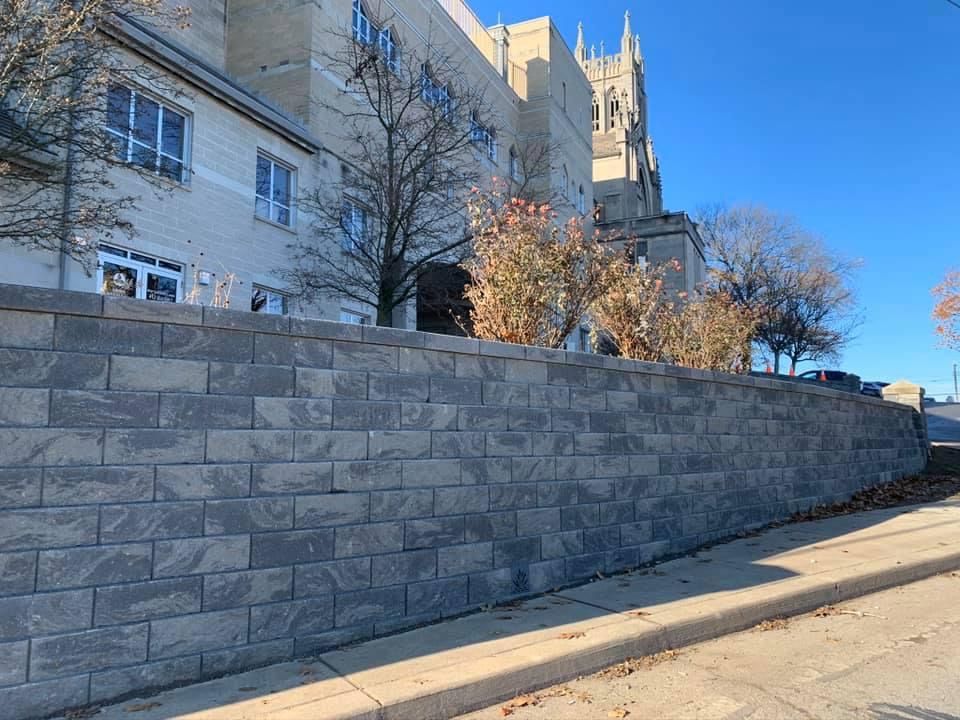
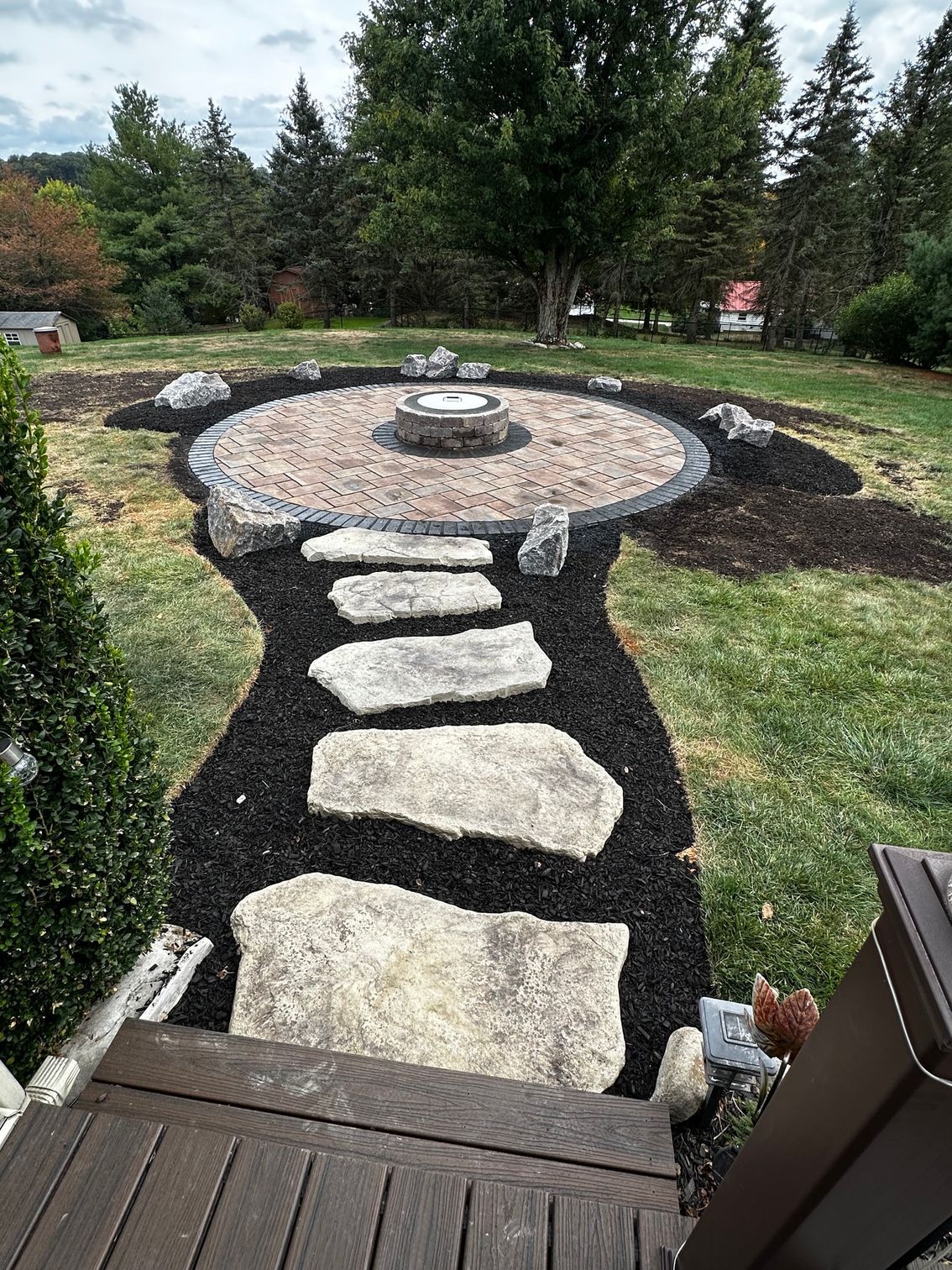
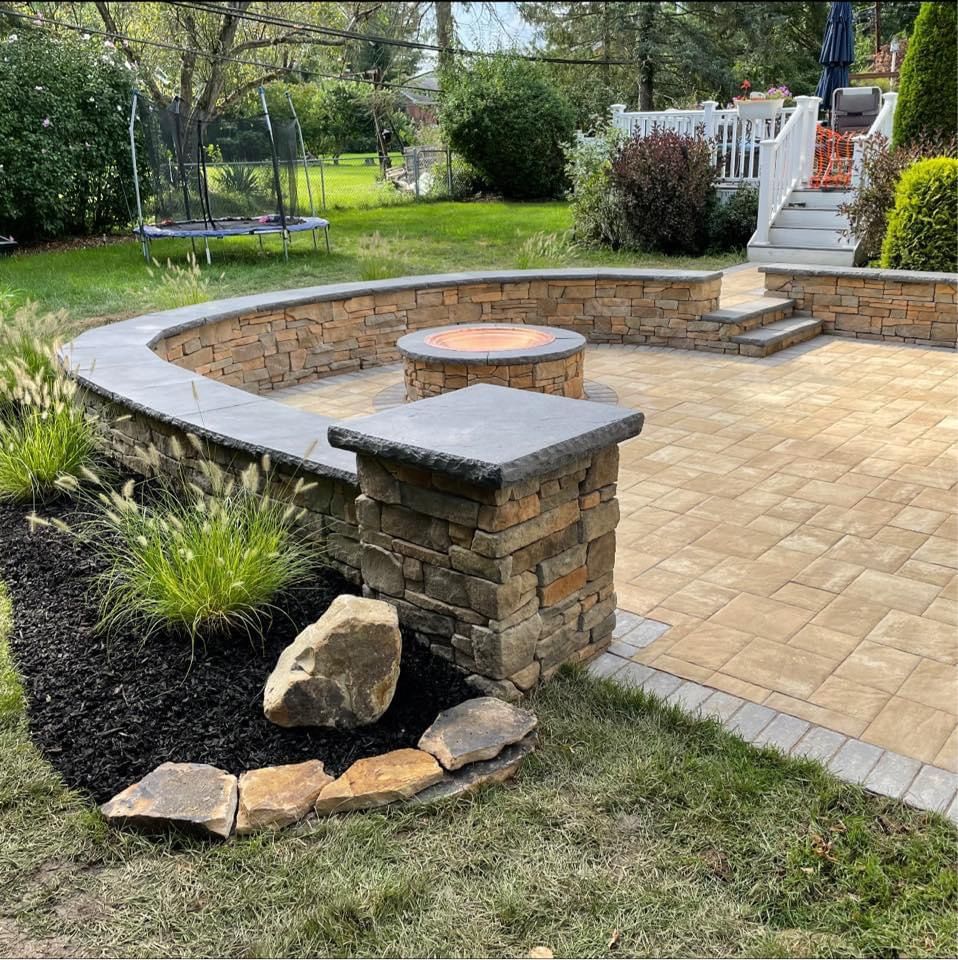
Pittsburgh landscape contractor outlines what homeowners should know about patio design, drainage, base preparation and Western Pennsylvania freeze-thaw conditions PITTSBURGH, Pa., Sept. 09, 2026 — A well-planned paver patio starts long before the first paver is installed. For Pittsburgh-area homeowners, decisions about patio size, drainage, grading, base preparation and future outdoor features can be just as important as choosing the finished surface. Schellhaas Landscape Construction, a Pittsburgh-area landscape construction company with more than 25 years of outdoor living and landscape experience, is sharing practical guidance for homeowners planning paver patios and larger outdoor living projects across Western Pennsylvania. The company says Pittsburgh's sloped properties, changing elevations, precipitation and repeated freeze-thaw cycles make it particularly important to evaluate the entire site before deciding on patio dimensions, materials or layout. “A successful patio starts with understanding the property and how the homeowner actually wants to use the space,” said Mike Schellhaas, owner of Schellhaas Landscape Construction. “The pavers are what people see when the project is finished, but drainage, grading, base preparation, elevations and planning for other outdoor features are all important parts of the process.” For homeowners researching a paver patio contractor in Pittsburgh , understanding those fundamentals can also make it easier to compare designs, construction methods, materials and contractor proposals. Start With How the Patio Will Be Used Before selecting a paver color or pattern, homeowners should determine what they want the finished patio to accomplish. A space designed for two people to sit outside in the evening has different requirements than one intended for family dinners, larger gatherings or multiple outdoor living zones. Dining tables, lounge furniture, grills, outdoor kitchens, fire features, planters and additional seating all require room. Homeowners also need enough clearance for chairs and comfortable movement between cooking, dining and gathering areas. The relationship between the patio and house matters, too. Existing doors, stairs, walkways, kitchen access, views and traffic patterns can all influence the best layout. For a larger project, homeowners may want to consider the patio as one component of a custom outdoor living space in Pittsburgh , allowing connected features to be planned together. Pavers vs. Poured Concrete: Look Beyond Appearance Both pavers and poured concrete can create functional residential patios. The appropriate choice depends on the property, design preferences, budget and long-term expectations. Pavers are individual manufactured or natural paving units installed over a prepared base. Different sizes, colors, textures, patterns and borders can be used to visually define dining, cooking, seating or gathering areas. Because pavers are individual units rather than a continuous slab, individual pieces can also be removed when access below the patio is necessary or replaced if a unit becomes damaged. Poured concrete creates a continuous surface and may be appropriate for homeowners who prefer its appearance or whose project requirements make it a practical choice. Neither material eliminates the need for proper site preparation. Concrete can develop cracks as conditions beneath and around the slab change. Paver installations can experience settling or movement when the base, drainage, edge restraints or installation are inadequate. In either case, the finished surface is only part of the project. Base Preparation Can Determine Long-Term Performance What homeowners see when a paver patio is complete is only the top layer of the installation. A paver patio generally requires excavation followed by preparation of the subgrade and installation of an appropriate aggregate base and bedding layer. The pavers are then installed, restrained at the perimeter, compacted as required and finished with the specified joint material. The exact construction method can vary depending on soil, elevation, drainage requirements, paver specifications and project design. Insufficient excavation, poor compaction, inappropriate base materials, weak soils or trapped water can contribute to settling, shifting, uneven sections and drainage problems. For that reason, homeowners comparing paver patio contractors near Pittsburgh should ask more than which brand of paver a contractor installs. Questions about excavation, base construction, compaction, soil conditions and finished grading can provide a better understanding of what is included in a proposal. A premium paver cannot compensate for an improperly prepared foundation. Pittsburgh Properties Make Drainage and Grading Important Water needs an appropriate place to go. A patio should be designed so surface water moves away from the home's foundation and does not collect in unwanted areas. On Western Pennsylvania properties with slopes, retaining walls, neighboring grades or significant elevation changes, that can require additional planning. Depending on the property, a project may involve establishing the correct surface pitch, evaluating existing drainage patterns, modifying grades, incorporating drainage components or using retaining walls to create usable elevations. Properties with significant slopes may therefore require the patio to be coordinated with a retaining-wall design and installation plan rather than treating the two projects independently. Freeze-Thaw Conditions Should Be Part of the Plan Pittsburgh regularly experiences temperatures that move above and below freezing during colder months. Because water expands when it freezes, excessive moisture within or beneath an outdoor surface can contribute to movement or deterioration through repeated freezing and thawing. Paver systems can perform well in freeze-thaw climates when the complete installation is designed appropriately. The individual units allow a segmental pavement to respond differently to minor movement than a continuous concrete slab. Choosing pavers alone, however, does not solve freeze-thaw concerns. Proper base construction and drainage remain important so water can move away rather than remaining trapped beneath the patio. When evaluating a paver patio contractor in Pittsburgh, homeowners should ask how the proposed installation method addresses both drainage and local climate conditions. Techo-Bloc or Unilock? Consider the Complete Design Techo-Bloc and Unilock both manufacture concrete pavers and hardscape products commonly used for patios and other outdoor applications. Homeowners can compare paver size and scale, surface texture, color variation, border options, pattern possibilities, intended use and compatibility with walls and steps. Schellhaas Landscape Construction is a Unilock Authorized Contractor. Material selections can be considered during the design process based on the architecture of the home, construction requirements, homeowner preferences and product availability. Rather than selecting a brand based solely on a photograph, homeowners can evaluate how a particular paver works within the overall outdoor living design. Plan Outdoor Kitchens, Fire Features and Lighting Early One of the most important questions to answer before patio construction is what may eventually be added to the space. Even if every feature will not be installed immediately, future plans can influence patio dimensions, base preparation, utility locations, elevations and layout. An outdoor kitchen, for example, needs sufficient room for cooking equipment, counters, storage, preparation areas and circulation. Gas, water and electrical requirements can also affect construction. Homeowners considering this feature can consult an outdoor-kitchen planning guide before establishing the final patio footprint. Fire pits and fireplaces require consideration of location, clearances, seating arrangements and circulation. Landscape lighting may require wiring or conduit. Pergolas and other shade structures can affect foundation locations and furniture placement. Planning anticipated utilities and features before construction can also reduce the need to disturb a completed patio later. Ask Contractors About More Than the Square-Foot Price Homeowners comparing contractors can use the planning process to better understand what each proposal includes. Useful questions include: How will drainage be evaluated on the property? What type of base system will be used? How will the base be prepared and compacted? How will the patio be graded? How will Pittsburgh's freeze-thaw conditions be addressed? Does the property require a retaining wall? Can the design accommodate a future outdoor kitchen or fire feature? Which paver products are appropriate for the design? How will elevation changes be handled? Should utilities or drainage components be installed before the pavers? A contractor should be able to explain why a particular construction method is being recommended for the property rather than focusing only on the finished appearance or square-foot price. Customer Aaron Thomas pointed to the planning and design process after Schellhaas Landscape Construction completed three projects at his property, including a 20-foot-diameter patio designed to resemble a Celtic stone circle. “Easy to work with from design to the end, Mike’s expertise, insights and suggestions gave us the confidence to let them create these beautiful areas without the need to ‘supervise’ the progress,” Thomas wrote in a Google review. Think About the Entire Backyard A patio may become the foundation of an outdoor living space, but it does not need to be planned in isolation. Thinking about dining, cooking, seating, retaining walls, lighting, walkways, fire features, landscaping and changes in elevation before determining the final patio footprint can help create a design in which the different parts of the property work together. Schellhaas Landscape Construction designs and installs paver patios, walkways, retaining walls, outdoor kitchens, fire features, landscape lighting and complete outdoor living spaces for Pittsburgh-area homeowners. The company currently serves South Fayette, Bethel Park, Mt. Lebanon, Oakdale, Bridgeville, Imperial, Robinson, McMurray, Canonsburg, Peters Township, Venetia, Washington, Hickory, Finleyville, Sewickley, Wexford, Cranberry and other surrounding communities. Homeowners interested in planning a paver patio or complete outdoor living project can contact Schellhaas Landscape Construction to request a design consultation and discuss their property, patio ideas, material options, drainage needs and future outdoor features. About Schellhaas Landscape Construction Schellhaas Landscape Construction is a Pittsburgh-area landscape construction company with more than 25 years of outdoor living and landscape experience. The company designs and installs paver patios, walkways, retaining walls, outdoor kitchens, fire pits and fireplaces, landscape lighting, water features, landscaping and custom outdoor living spaces throughout the Pittsburgh region. Schellhaas Landscape Construction is a Unilock Authorized Contractor.
By Mike Schellhaas September 8, 2026
Planning a custom outdoor living space in Pittsburgh? Learn about patios, kitchens, retaining walls, drainage, budgets, and choosing a contractor.